
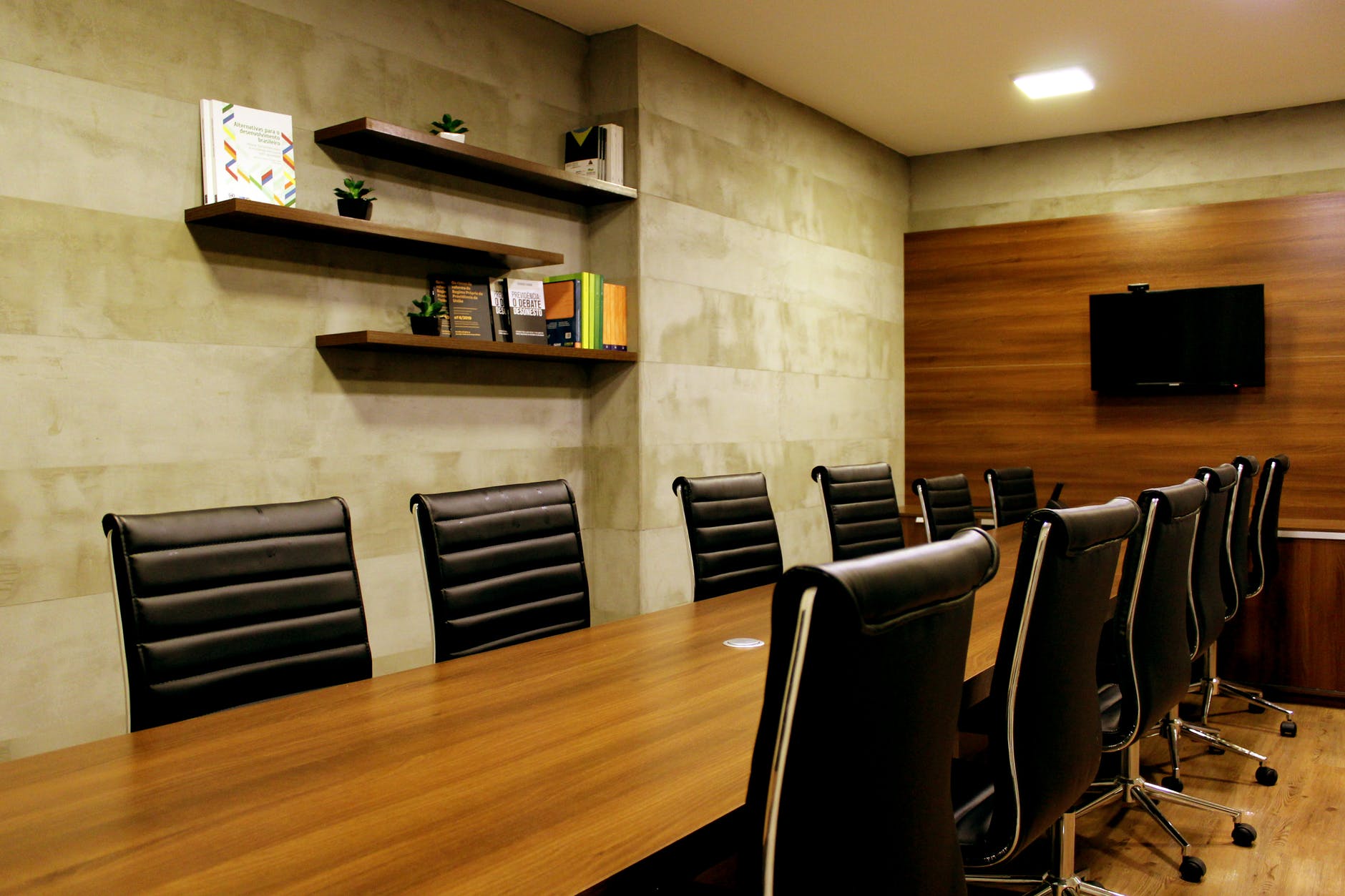
You’ve got a conference room, and it’s ready for business. But is it ready for you?
The conference room is one of the most important places in any office – it’s where you hold meetings, conduct presentations, and work with clients and colleagues. But if your conference room is not set up correctly, it can be a distraction—and even a deterrent—to everyone who uses it.
Whether for a meeting or a call, having a proper conference room setup is key to making the most of your, your employee’s, and your clients’ time and productivity.
The Cost of a Poor Conference Room Setup
Let’s face it—when your conference room isn’t set up for success, you’re not just dealing with a little clutter or a mild inconvenience. You’re burning precious hours and square footage. Think about the number of meetings that go off the rails because someone’s fiddling with tangled wires, hunting for a working outlet, or crammed into uncomfortable chairs. All those small hassles add up.
Research shows that nearly a third of the 25 million business meetings held in the U.S. every day fall flat—unproductive, disorganized, or just poorly planned. The result? Companies lose billions of dollars annually in wasted time and resources. Beyond the dollars and cents, a cramped or clunky meeting space can also zap energy and motivation from your team, making collaboration harder than it should be.
In short, an ineffective setup doesn’t just dampen the mood—it drains productivity, wastes valuable office real estate, and yes, chips away at your bottom line.
We’ve created this guide to help you create the ultimate setup for your conference or meeting room. We’ll walk you through everything from the best seating options to ideal lighting, temperature, and technology requirements. You don’t have to be an expert to make your office space more comfortable and functional — follow these tips and tricks instead!
Meeting Rooms and Conference Rooms: What’s the Difference?
Before we begin, you should know the difference between a meeting room and a conference room. A meeting room is meant for small groups of people who will only be in the room for a short time, and a conference room is for larger groups who may also be there for several hours at a time. Whether you have a meeting room, a conference room, or both, ensuring that it is set up professionally is vital for business success.
What Do I Need to Set Up My Conference Room?
The best conference room setup includes all the right furniture, technology, and supplies to make every meeting a success. But if you’re starting from scratch or are looking to upgrade your existing space, it can be challenging to know what exactly you need.
Before you start, it’s essential to think about what you’re trying to do with your conference room. Is it for meetings? Training sessions? Video conferencing? Or something else entirely? Once you’ve determined your goals, it’s time to get down to business. Here are some things that you’ll need and some considerations to make to get started:
Room Space
Room space is one of the most critical elements in a conference room, and the space must be large enough for all your guests without feeling cramped or crowded. You can use dividers or other furniture items to section off different areas within the room if needed. You can also arrange chairs and furniture in patterns such as u-shapes, traditional “classroom” setups, or square setups to make the most of your space.
Conference Table
If you plan on hosting large groups, you might consider purchasing a conference table. A conference table is typically meant for seating at least six people comfortably but can hold more if necessary. If possible, choose one with built-in power outlets in each seat so that attendees can keep their devices charged throughout the day if needed.
Chairs
Chairs are the most fundamental piece of equipment you’ll need for your conference room. The perfect conference chair should be comfortable, ergonomic, and stylish. You’ll want to consider the number of people using the chair and how long they’ll be using it when selecting your chairs. If you have a large conference table or have many people who will be sitting at the conference table for long periods, you’ll probably want to invest in more expensive chairs with more padding and support. If you only have a few people in attendance of meetings that won’t last longer than an hour, then less costly chairs might be sufficient.
Lighting
You want the lighting in your conference room to be bright enough so that everyone can see each other well but not too bright so that it causes glare on the screen or camera lens. If possible, avoid having windows behind participants as they may cause reflections on screens or cameras due to sunlight shining through them; if this is unavoidable, make sure windows are covered with curtains or blinds. Good lighting—especially natural light—can make people feel more comfortable, energized, and alert during meetings. Consider layering your lighting with overhead fixtures and adjustable lamps to fine-tune the brightness as needed.
Acoustics
Don’t overlook the importance of acoustics. Echoes and background noise can be distracting and make it difficult for participants—especially remote attendees—to hear what’s being said. Soft furnishings, sound-absorbing panels, and even carpeting can help minimize noise and create a space where everyone’s voice is clear.
Biophilia and Nature
People tend to feel more relaxed and focused when surrounded by natural elements. Adding a few well-placed plants can make a big difference, both in terms of aesthetics and the overall atmosphere. Plants not only improve air quality but also bring a calming, lively energy to the room.
Comfort
Next, you’ll want to control the climate in your conference room. This includes temperature control and air quality, which can affect how comfortable people feel while meeting with others.
Conference Room Layouts: Styles and Best Uses
Selecting the right layout can make or break your meeting’s effectiveness. Here’s a rundown of the most popular styles and where they shine best:
Boardroom Style
Think of the classic “big table surrounded by chairs” setup. This arrangement encourages face-to-face discussion, making it the go-to for executive meetings, strategic planning, and any gathering where eye contact and collaborative decision-making are essential. If your goal is open dialogue among a group who all need to be involved, boardroom style keeps everyone engaged.
Auditorium Style
If you need to fit a lot of people into the room—with everyone’s attention focused on a central speaker or presentation—auditorium style is your friend. Here, all chairs are lined up in rows facing a single direction (toward a stage, screen, or speaker). Use this setup for presentations, guest speakers, or company-wide briefings, where interaction between attendees isn’t the priority and maximizing capacity is.
Cluster Style
For brainstorming sessions or group-based projects, cluster style comes out on top. This means arranging several smaller tables throughout the room, each acting as its own mini workspace. Perfect for hackathons, workshops, or creative sessions where participants need to break into smaller teams but remain in the same space. Cluster style encourages collaboration and makes it easy for groups to share ideas without talking over the entire room.
Classroom Style
You guessed it—just like school! Participants sit at tables (or desks) lined up in rows, all facing the front. It’s ideal for training sessions, seminars, or workshops where you want attendees to watch a presentation, take notes, or work hands-on with materials. This layout supports focused learning while still allowing some group interaction and easy access to materials.
Choose the style that fits your meeting’s purpose—and don’t be afraid to get creative with hybrids if your agenda calls for it.
The Value of Monitoring Room Utilization Data
Understanding how your meeting spaces are actually used can make a world of difference in optimizing their setup and function. By keeping an eye on room utilization data—sometimes called workplace analytics—you gain real insights into when, how often, and for what purposes various spaces are booked.
This information allows facilities managers and IT teams to make informed decisions when it comes to outfitting rooms with the right equipment and technology. For example, if data shows some spaces are frequently used for video conferencing but lack adequate screens or microphones, it’s clear where upgrades are needed. Similarly, underused rooms might benefit from being reconfigured for a different purpose or combined with adjacent spaces to better support team needs.
Ultimately, monitoring utilization data ensures that every square foot of your office is working as hard as your team, supporting productivity and eliminating wasted resources. By taking the guesswork out of planning, you can ensure your meeting rooms always meet the demands of your workforce.
Why Conference Rooms Aren’t “Set and Forget”
You might think setting up your conference room is a one-and-done task—put out some chairs, plug in a screen, and call it a day. Sadly, it’s not quite that simple.
Conference rooms are dynamic spaces that need to adapt to shifting group sizes, hybrid meetings, and evolving technological requirements. One week you’re hosting a quick team check-in; the next, it’s a multi-office brainstorming session with remote staff dialing in from three time zones.
That means the perfect setup today might become a productivity killer tomorrow if it doesn’t keep pace with how people work. It’s not just arranging a table and hoping for the best—it’s about creating a flexible environment that supports everything from a two-person meeting to a full-blown pitch with participants both in-person and online.
By regularly assessing (and sometimes reworking) your setup, you’ll ensure that your space is ready for whatever the next meeting throws at you—be it an impromptu huddle or a high-stakes client pitch.
How Do I Create a Professional Conference Room?
If you’re rethinking the setup of your conference room, here are some tips on how to make it look professional and ready for business.
The first step in creating a professional conference room setup is removing clutter. Clutter can distract people from the purpose of their meeting, so it’s important to eliminate it by making sure that any wires or cords are out of sight. You may also want to invest in cable management solutions such as cable raceways and wire covers to keep wires out of sight and organized.
Make sure there is plenty of space between the seats so that people do not feel cramped when sitting down during meetings. This also helps them avoid bumping into one another when they’re moving around during meetings or getting up to grab something from another part of the room.
Consider adding seating options outside of chairs such as couches or bean bag chairs if necessary for certain meetings like brainstorming sessions where brainstorming happens.
Finally, you’ll need to choose the right technology for your conference rooms, especially if you plan on utilizing video conferencing.
Video Conferencing Basic Requirements
Video conferencing is more than just sharing a PowerPoint presentation. It’s an excellent way for your team to interact and collaborate, no matter where they are. You must have the right equipment and a good setup for a successful video conference. Your attendees will be able to see and hear you, but if the quality of their experience is poor, they might not be able to follow along.
But if you’re new to video conferencing, it can be hard to know where to start. Here are a few tips to help you set up your office for success in video conferencing.
What Kind of Equipment Do I Need?
There’s no single answer here — it depends on your company’s needs — but we recommend starting with the following:
A High-Quality Camera
First and foremost, you’ll need a high-quality camera. This will ensure that the people you’re speaking with can see you and vice versa. The higher the camera’s resolution, the better quality your video will be. Make sure that the camera points directly at you so that when others look at it, they can see you without having to strain their necks or move around too much to get an optimal angle on what they’re seeing.
High Definition Monitors or Displays
Having a clean, high quality display or multiple displays within your conference space is critical to carrying out video conferencing meetings. Whether it is projection system, monitors, ceiling retreating monitors, or video walls – these types of displays support your meeting and are imperative to ensuring you have a successful presentation during your conference meeting.
In addition to the screens inside your conference room, consider leveraging digital displays outside your meeting spaces as well. These external displays can serve as helpful wayfinding tools, showing real-time updates about current and upcoming meetings. Not only does this keep everyone informed, but it also allows employees to easily check room availability for impromptu check-ins or last-minute collaborations.
By combining high-quality in-room displays with informative signage outside, you create a seamless experience for both scheduled meetings and spontaneous gatherings—making your office more efficient and user-friendly for everyone involved.
Microphone and Speakers
Audio is just as important as video when it comes to video conferencing. For conference rooms that are smaller in size, a sound bar or video bar may be the right solution for you, as some computers have built-in microphones, but they aren’t always high quality. For medium size or large conference rooms and boardrooms, having ceiling mounted microphones and speakers may be more appropriate to ensure better sound coverage. It is essential to make sure your chosen system has clear audio so participants can hear each other.
High-Speed Internet Connection
Video conference calls can take up a lot of bandwidth, so your internet connection must be capable of handling large loads without any issues. If your connection is slow or unreliable, it could cause problems during your call. You’ll need a computer or laptop connected to the internet via Wi-Fi or Ethernet cable. With this connection in place, you can use any of your favorite video conferencing applications to create a meeting room that anyone worldwide can join.
Equipping Remote Participants for Seamless Hybrid Meetings
It’s easy to focus on outfitting your conference rooms with top-tier tech, but don’t forget about your remote team members. For truly successful hybrid meetings, everyone needs to be seen and heard clearly—no matter where they’re dialling in from.
To support this, organizations should make sure remote participants have access to essential equipment. This often includes:
- A reliable headset with a microphone (think Logitech, Jabra, or Sennheiser), which helps reduce background noise and ensures voices come through crisp and clear.
- A decent external webcam for sharp video, preferable to grainy built-in laptop cameras.
- Stable high-speed internet—a must for smooth video and audio connections.
- Optional accessories such as ring lights or secondary monitors, for those joining from less-than-ideal settings.
Providing clear guidelines or reimbursement programs for remote AV essentials demonstrates your commitment to equal participation, so everyone—whether in the office or offsite—can collaborate without a hitch.
Investing in a Meeting Room Booking System
A meeting room booking system can be a game-changer when it comes to making your conference room more accessible and efficient. With a smart booking platform, your team can instantly see which rooms are available, schedule their meetings without playing calendar Tetris, and avoid awkward double-bookings.
But the benefits don’t stop there. These systems often provide helpful real-time data about how your spaces are being used, so you can spot trends—like which rooms are always packed and which ones sit empty. If a room is missing equipment or something isn’t working (think TVs, webcams, or even the thermostat), users can quickly report the issue within the system. This means everyday annoyances get resolved faster, and your conference room stays ready for action.
Ultimately, a good booking system takes the guesswork out of scheduling, helps maximize your room’s potential, and keeps things running smoothly—no matter how many meetings are on the calendar.
Set Up Your Conference Room with Professional AV Solutions
As you can see, there are many different options for conference rooms—and that’s okay! You don’t have to pick just one. Ensuring you have the right equipment can enhance your meetings and make them more productive.
With the proper setup and AV integration you can ensure that everyone in the room hears and sees what’s being said and that you can connect with remote employees and clients.
And if you’re looking for professional AV installation company for your workplace or guidance on where to begin, we have a whole team that can help you!
Click here to receive a Free Systems Analysis or give us a call today to learn how we can help you achieve a professional conference room setup with professional AV solutions: 732-398-6040.