
Commercial Sound and Video Systems



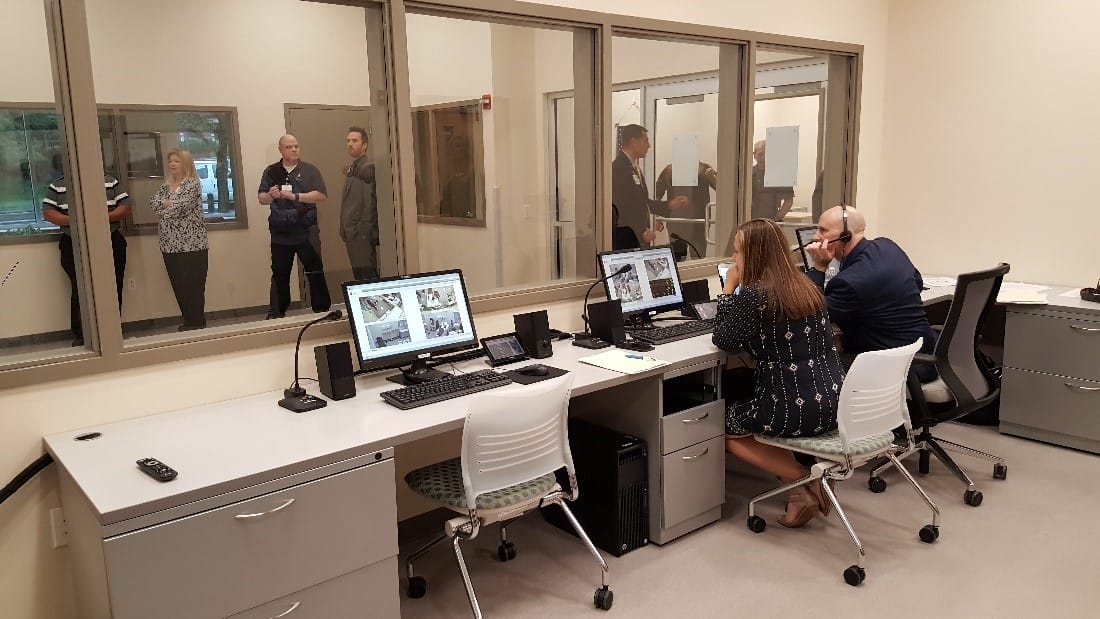
Over the last few years, there has been a dramatic rise in video conferencing in healthcare. This video conferencing is sometimes known as telehealth. Telehealth offers numerous advantages for both the patient and the healthcare provider. Not only does this video conferencing make meetings easier, but more efficient as well. Being equipped with the proper AV solutions for these conferences in the healthcare industry is a necessity in today’s world. It is a valuable tool that will stay around indefinitely. There are various reasons why video conferencing would be an asset to any healthcare industry.
Video conferencing has become a game-changer in the way healthcare is delivered. With just a few clicks, providers and patients can connect across cities—or even continents—breaking down traditional barriers to care. Instead of being limited to the nearest clinic or hospital, patients can now access a broader network of health specialists, regardless of location.
Providers are also benefiting from this technology. Whether consulting on a diagnosis, collaborating on treatment plans, or attending ongoing training sessions with industry leaders like the Mayo Clinic or Cleveland Clinic, healthcare professionals are more connected than ever before. These virtual connections create new opportunities for faster decision-making and more coordinated care.
Moreover, video conferencing supports a more efficient healthcare system overall. It saves travel time, reduces costs associated with in-person visits, and makes it easier for different clinics and hospitals to communicate securely—meaning patients receive care that’s not only quicker but also more comprehensive.
Video conferencing has quickly become a cornerstone of comprehensive, continuous care in modern healthcare. It bridges gaps that once stood between patients and providers—whether due to distance, mobility limitations, or unexpected crises like pandemics. Remote connectivity means that expert care is never out of reach, ensuring important follow-ups, real-time second opinions, and specialty consultations are always accessible.
This technology not only allows healthcare professionals to collaborate and coordinate patient care seamlessly, but it also keeps patients consistently connected to the resources they need. With tools like Zoom for Healthcare and Cisco Webex, appointments, multidisciplinary team meetings, and ongoing care plans happen smoothly—even when everyone is in a different location. As a result, patients experience fewer care interruptions, better health monitoring, and a greater sense of security knowing that support is just a click away.
Integrating video conferencing into healthcare systems can have a significant, positive impact on patient outcomes. By allowing providers and patients to connect in real time—no matter where they are—issues can be addressed more quickly. This means earlier intervention when a problem surfaces, which can be particularly important for time-sensitive conditions.
Additionally, video conferencing makes it easier for specialists, primary care physicians, and even family members to collaborate seamlessly in developing effective treatment plans. This team approach helps ensure that care is both coordinated and tailored to the patient’s unique needs.
Regular virtual check-ins make ongoing monitoring and support much more practical. Patients are more likely to stay engaged with their care plan when follow-up is convenient, and providers have a clearer window into any changes in the patient’s condition. In the long run, this proactive approach supports preventive care, helps catch potential issues before they escalate, and encourages patients to take an active role in managing their health.
Video conferencing has become an essential lifeline for individuals seeking mental health care, offering a level of convenience and privacy that traditional in-person visits often can’t match. For many, the option to connect with a therapist from the comfort of home makes reaching out for help much less intimidating—especially important for those who might feel hesitant or anxious about stepping into a clinic.
Some key benefits include:
In short, video conferencing removes many of the traditional hurdles associated with seeking mental health support, so more people can access the care they need when and where they need it most.
Routine follow-up in-person appointments can often be longer than they should be. If these appointments were conducted via video conferencing, they would save time and resources for both patients and healthcare providers.
Beyond convenience, video conferencing also enables more efficient scheduling of these appointments. Healthcare providers can adjust their calendars with greater flexibility, accommodating more patients while reducing idle time. This streamlined approach not only improves the efficiency of medical staff but also ensures that care is delivered promptly—even during periods of high demand. By maximizing resources and adapting quickly to patient needs, video consultations help maintain a high standard of care without unnecessary delays or disruptions.
Video conferencing doesn’t just add convenience—it actually strengthens the relationship between patients and healthcare providers. By making it easier to check in frequently, video appointments encourage patients to stay actively involved in their own care. As a result, patients tend to stick to their prescribed treatment plans more reliably, knowing that their care team is just a call away for real-time adjustments and answers to pressing questions.
Frequent virtual contact helps address concerns early before they turn into bigger issues. Plus, since appointments can take place from home or wherever the patient feels comfortable, there’s less disruption to daily routines. This ease of access means patients are more willing to schedule and attend follow-up visits, participate in care discussions, and voice their needs.
Healthcare professionals can use these virtual visits to provide tailored guidance, reminders, and encouragement—helping patients feel seen, supported, and connected throughout their treatment journey.
When patients feel sick, it is an instinct to get a second opinion. However, going into an enclosed doctor’s office filled with other sick individuals may not be the best idea. Healthcare video conferencing allows the patient to stay in the comfort of their own home while limiting the spread of their illness.
When video conferencing, sometimes it is necessary for multiple healthcare providers to work with a patient. Video conferencing helps improve the overall workflow and the information relay from one healthcare provider to another.
Video conferencing does more than just connect doctors and patients—it also brings together entire teams of healthcare professionals, no matter where they’re located. Specialists, nurses, and physicians can instantly consult with one another, allowing for collaborative case reviews and real-time problem solving. Whether the conversation is between departments or across multiple healthcare facilities, everyone can weigh in on critical decisions without delay.
This kind of immediate communication is especially helpful during emergencies or when managing complex patient care. With everyone plugged in, there’s less room for confusion and more opportunity for each patient to get the benefit of diverse expertise—all at the click of a button.
Video conferencing doesn’t just make conversations easier—it can transform daily operations in healthcare settings. By handling more appointments virtually, healthcare providers free up their schedules to focus on urgent in-person cases and reduce unnecessary clinic traffic. This shift means that doctors, nurses, and specialists spend less time juggling room bookings or coordinating patient handoffs from one department to another.
There’s also a noticeable impact on the bottom line. With fewer people filling waiting rooms, there’s less wear and tear on the facility itself—from cleaning needs to utilities. Healthcare organizations like Mayo Clinic and Cleveland Clinic have embraced telehealth not just for convenience, but because it allows them to serve more patients without expanding physical infrastructure. Less crowding means less strain, helping both the staff and the budget.
Scheduling gets simpler, too. Virtual appointments can be slotted in with less downtime between patients, making it easier for providers to keep up with demand—especially during flu season or other busy times. No more shuffling papers or crowded clipboards at the nurse’s desk. Instead, teams can focus on patient care, not waiting room logistics.
By embracing video conferencing, healthcare providers are creating smarter, more resilient systems—for themselves and the patients they serve.
Video conferencing is not just for patient care—it also plays a key role in keeping healthcare professionals up to date. Through secure digital platforms, doctors, nurses, and staff can attend live webinars, virtual conferences, and interactive workshops no matter where they are. Whether it’s a Mayo Clinic symposium or a Johns Hopkins Grand Rounds streamed online, healthcare teams can access expert insights without leaving their facilities.
This ongoing access to medical education helps staff stay on top of the latest treatments, research, and procedures, all while minimizing travel time and associated costs. With technology allowing for real-time Q&A sessions, group discussions, and even hands-on virtual simulations, healthcare providers can continue to grow their expertise and deliver excellent care in an ever-changing environment.
Video conferencing in the healthcare industry is a valuable tool that benefits everyone. A good quality would be an advantage all around.
Video conferencing in the healthcare industry is a valuable tool that benefits everyone. A good quality AV installation would be an advantage all around.
Healthcare is vital. Choosing to partner with the correct AV company is also vital, but easy. CSAV Systems is based in New Jersey, however, our team serves various states with our AV solutions. Healthcare is a market that needs the proper equipment to run smoothly all day and every day.
Our team of experts offers support and service to your system after the installation is complete, but we also provide training on newly installed audio-visual technologies, to ensure that your team can easily operate and manage the new equipment on a day-to-day basis.
Contact 732-577-0077 for more information on our services or click here to fill out a Free Systems Analysis.